Cart
0
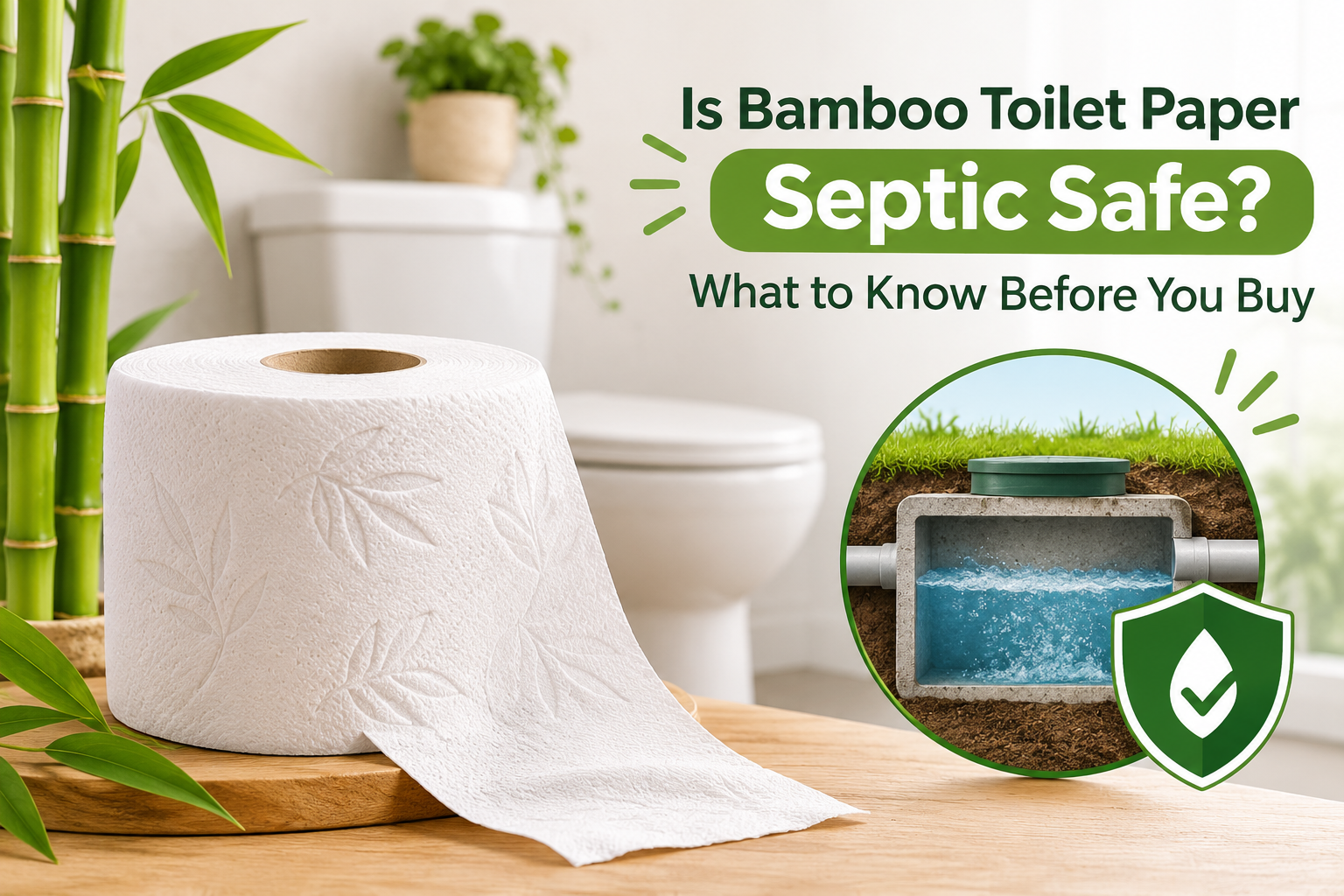
Yes, bamboo toilet paper is safe for most septic tanks, as long as you pick a plain, fragrance-free, dye-free roll. The best septic-safe toilet paper breaks down quickly in water, so it rarely clogs your tank or home pipes.
Did you know? According to the EPA, most septic tanks need pumping every three to five years, so every flush adds up.
Choose the wrong roll, and you could face a pricey headache. Septic repairs can climb into the thousands of dollars. Brands like Lovely Poo Poo label their bamboo rolls as septic-safe toilet paper, yet a label doesn't tell you everything. Let's walk through what to check, what to skip, and how to test a roll at home.
Key Takeaways
-
Plain bamboo toilet paper suits most septic tanks when it skips dyes, scents, and plastic.
-
Pick septic-safe toilet paper that breaks apart fast in water without any harsh additives.
-
Bamboo fiber is biodegradable, but plastic wrap and added chemicals can still cause real problems.
-
Clogs usually come from flushing too much at once, not from bamboo toilet paper itself.
-
Pump your septic tank every three to five years and book regular professional inspections too.
Why Toilet Paper Choice Matters for Your Septic Tank
Your septic tank is a tiny living system. Living organisms inside it treat your household waste. They work best when paper falls apart fast.
Slow-melting paper piles up as sludge. Clumps can jam the pipes leading to your tank. Harsh chemicals can upset those helpful organisms, too.
What Makes Toilet Paper Septic Safe?
Septic-safe toilet paper shares a few simple traits:
-
Breaks down fast: The sheets fall apart in water.
-
No dyes or perfumes: These add chemicals your tank doesn't need.
-
No plastic: Plastic never breaks down.
-
Made for flushing: Paper towels and wipes don't qualify.
Bamboo Toilet Paper and Septic Tanks
Bamboo is a fast-growing grass, not a tree. Plenty of shoppers love it for that reason. But does it really hold up in a tank? Let's find out.
Is Bamboo Toilet Paper Biodegradable?
So, is bamboo toilet paper biodegradable? Yes. Bamboo is a natural plant fiber, and plant fibers break down over time. Plain rolls with no plastic or heavy chemicals work best. Packaging matters for the planet, not your tank, so look for plastic-free wraps.
Does Bamboo Toilet Paper Clog Pipes?
Here's the big worry. Does bamboo toilet paper clog pipes? Not if you use it the right way. Any paper can clog an old or weak line when you flush too much at once. The culprit is volume, not bamboo.
Pro tip: Use fewer sheets, and flush twice after a big visit.
How to Run a Simple Septic Tank Toilet Paper Test
Still unsure about your role? Try this five-minute jar test.
-
Fill a clear jar halfway with water.
-
Drop in four or five sheets.
-
Shake the jar for about 30 seconds.
-
Check the water.
Good paper breaks into tiny bits. Big chunky pieces spell trouble, so ditch that roll. Keep in mind, this is a quick home check, not a lab test.
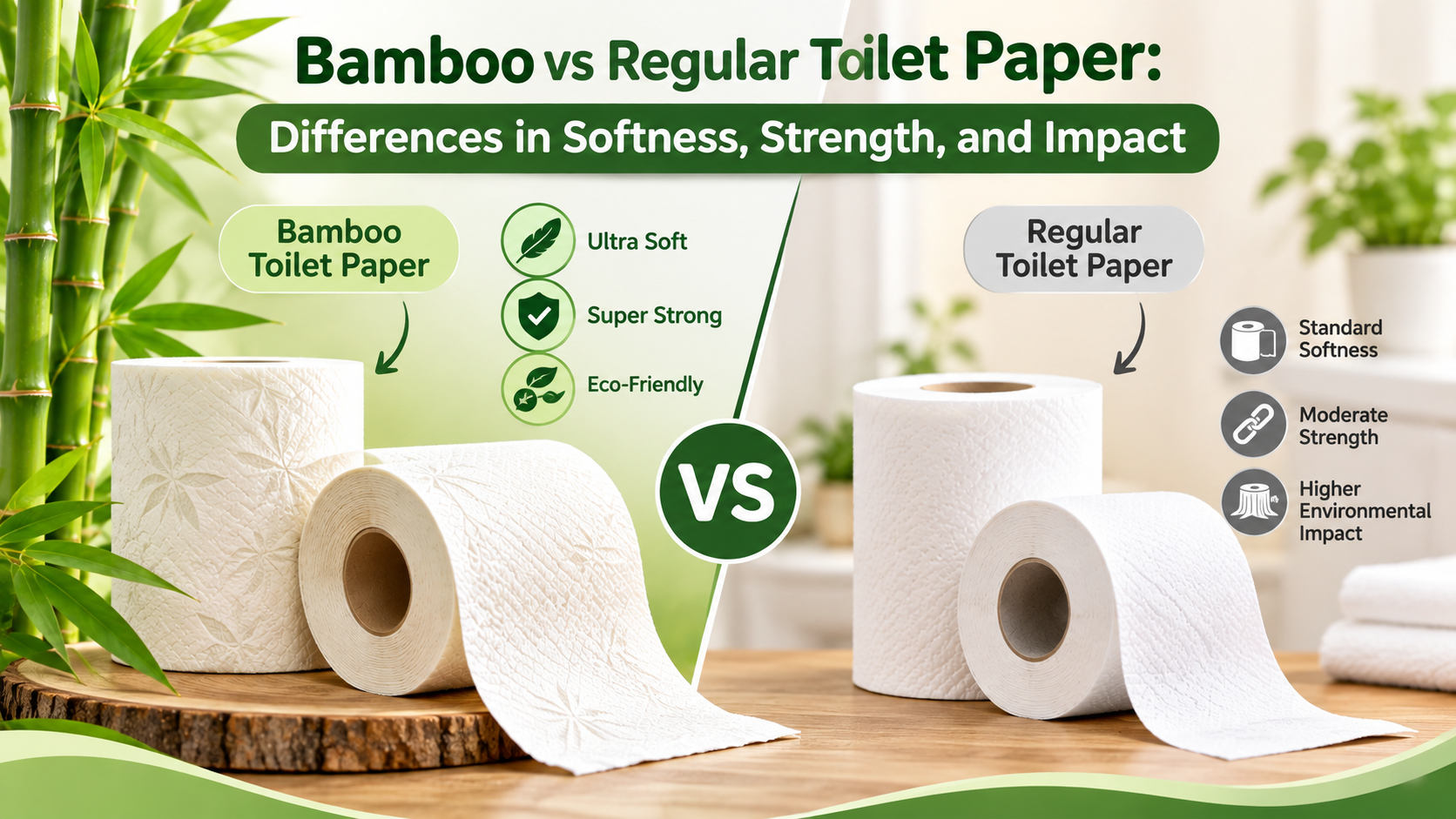
Bamboo vs. Regular Paper: Which Is Safer for Septic Systems?
|
Feature |
Plain bamboo paper |
Standard tree-based paper |
Scented or lotion paper |
|
Fiber source |
Fast-growing bamboo grass |
Tree pulp |
Tree pulp plus additives |
|
Septic fit |
Good when dye-free and plain |
Good when plain |
Risky |
|
Biodegradable |
Yes, if free of plastic |
Yes |
Depends on the additives |
|
Main watch-out |
Plastic wrap, coatings |
Very thick, quilted sheets |
Perfumes and lotions |
Here's the simple truth. Plain beats fancy every time, whatever the fiber. Why risk a nasty backup for a scented roll?
How to Choose Septic-Safe Bamboo Rolls
Look for Septic-Safe Labels and Simple Ingredients
-
A clear septic-safe label on the pack
-
100% bamboo fiber with no odd blends
-
Fragrance-free and dye-free sheets
-
Plastic-free packaging
-
FSC certification for responsible sourcing
Spot Red Flags in Bamboo Toilet Tissue
-
Added lotions, scents, or printed inks
-
Vague claims with no fiber details
-
"Flushable" wet wipes, since flushable wipes can damage your septic system
-
Fibers blended with synthetic fillers
Simple Habits That Protect Your Septic Tank
The right paper helps. Good habits do the rest.
-
Inspect often: A licensed pro should inspect your system about every three years.
-
Flush smart: Send only toilet paper and human waste down the toilet.
-
Spread out water use: Running the dishwasher, shower, and washer together strains your system.
-
Protect your drain field: Keep cars and heavy objects off it.
Make the Switch to Septic-Safe Toilet Paper Today!
Don't leave your tank to chance. Pick plain, strong, plastic-free rolls, and run the jar test. Lovely Poo Poo offers FSC-certified, fragrance-free bamboo toilet paper with a septic-safe label. Shop the 24-roll or 48-roll pack today.
FAQs
1. Is bamboo toilet paper OK for septic systems?
Yes, plain bamboo toilet paper works well in most septic systems. Pick unscented, dye-free rolls. Flush a modest amount at a time.
2. Does bamboo toilet paper dissolve faster than regular toilet paper?
Not always. Speed depends on how the paper is made, not just the fiber. Run the jar test to compare brands.
3. What is the best toilet paper for a septic tank?
Look for septic-safe toilet paper that is plain, unscented, and dye-free. It should break apart fast in water. Both bamboo and tree-based rolls can qualify.
4. Can bamboo toilet paper clog your toilet?
It can if you flush too many sheets at once. Use less per flush, and skip wipes. Call a plumber if clogs keep coming back.
5. How often should you pump a septic tank?
Plan on every three to five years. Household size and tank size change the timing. A licensed pro can set the right schedule.