Cart
0
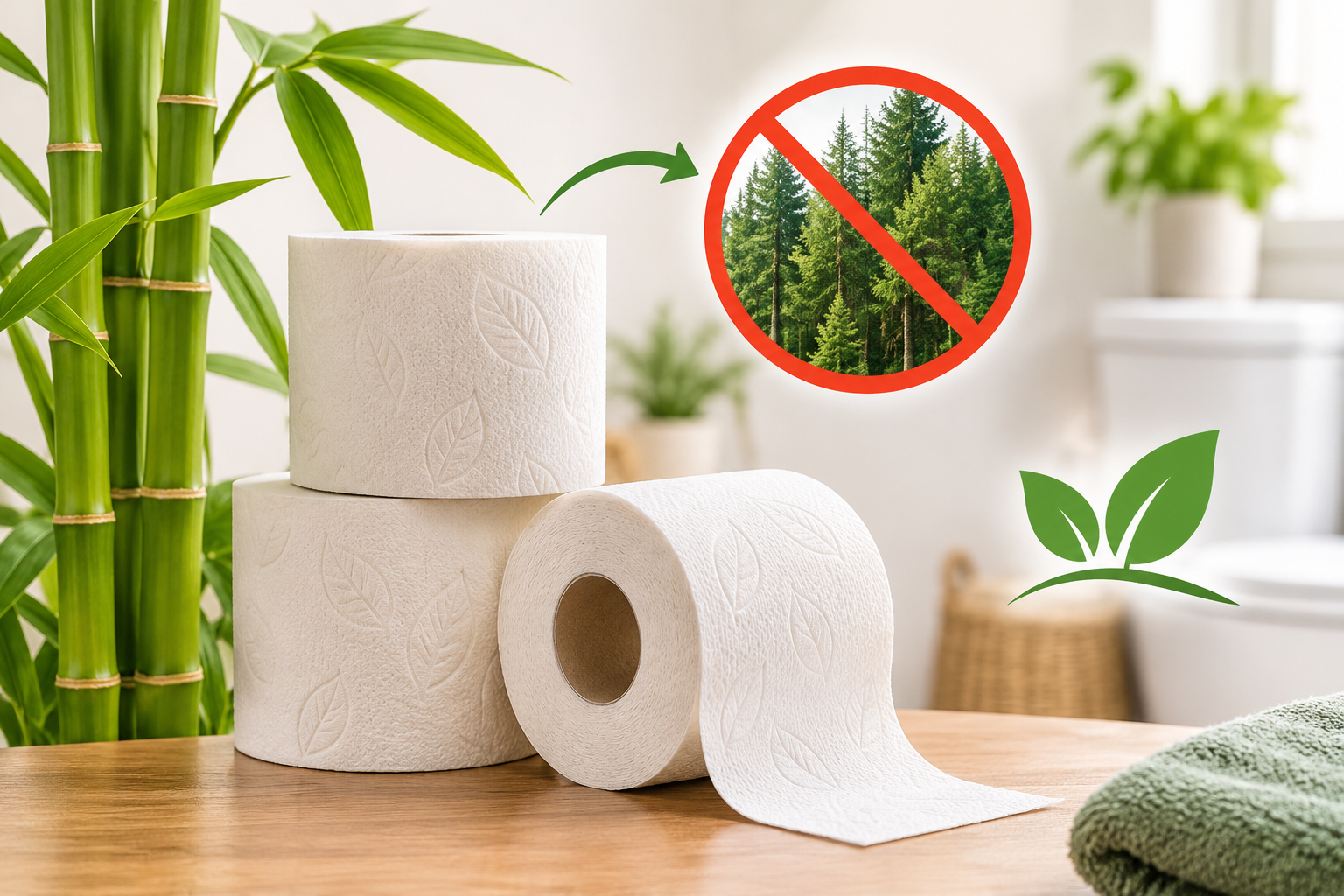
Yes, tree-free toilet paper works fine, and it helps cut the millions of trees felled yearly for tissue. If you want a lighter footprint without giving up comfort, here's the honest breakdown.
Did you know? According to a report by The World Counts, roughly 345 million trees get cut down every year for toilet paper and similar paper goods.
That's close to a million trees a day, all for something we use once and flush. Tree-free toilet paper is one of the simplest ways to push back against that number without changing your routine at all.
Key Takeaways
-
Tree-free toilet paper uses bamboo or sugarcane, so no trees get cut. Bamboo grows in four to six years, while toilet-paper trees need decades to mature.
-
About 345 million trees are felled yearly for tissue products, making every switch count. Even one household swapping rolls chips away at a genuinely massive number.
-
FSC certification confirms responsible land management, and it covers bamboo plantations too. Look for the label to verify the whole supply chain from forest to shelf.
-
Softness and price vary by brand, so test a small pack before buying bulk. Reviews for the exact product matter far more than glowing praise for the category.
-
Plastic-free packaging is a bonus feature, not a guarantee, so read labels closely. Some eco brands still wrap rolls in plastic film hidden inside the box. Make Your Next Bathroom Essential a Greener Choice
What Is Tree-Free Toilet Paper, Really?
It's toilet paper made without cutting down a single tree. That's the whole idea. Most brands use bamboo or sugarcane bagasse instead of wood pulp. Bamboo is technically a grass, and it bounces back fast—usually in four to six years. The trees behind regular toilet paper? They need 20 to 50 years to grow back. That's a massive gap.
Now, does toilet paper cause deforestation? Honestly, yes, at a real scale. The tissue industry leans hard on forests in Canada, Latin America, and elsewhere. Tree-free rolls dodge that problem completely.
Why Trees Are Even Part of This Conversation
Regular toilet paper often comes from virgin wood pulp. Whole trees get cut, chipped, and turned into something you use for ten seconds.
Does toilet paper cause deforestation all on its own? Not entirely—but it's a genuine contributor. Things get worse when manufacturers source from poorly managed forests. That's exactly where certification comes in.
What Does FSC Certified Mean, Anyway?
You'll spot an FSC label on plenty of eco-friendly rolls. What does FSC certified mean? It stands for Forest Stewardship Council.
The label confirms a forest is managed to protect biodiversity, local communities, and workers. Every company in the supply chain needs chain-of-custody certification for the product to carry it.
Here's the part most people miss: FSC covers bamboo too. So a roll can be tree-free and FSC certified. That combo gives you extra peace of mind about land management.
|
Feature |
Regular Toilet Paper |
Tree-Free (Bamboo) |
|
Raw material |
Virgin wood pulp |
Bamboo or sugarcane |
|
Grow-back time |
20–50 years |
4–6 years |
|
Deforestation link |
Direct |
None (bamboo is grass) |
|
Plastic packaging |
Common |
Often plastic-free |
|
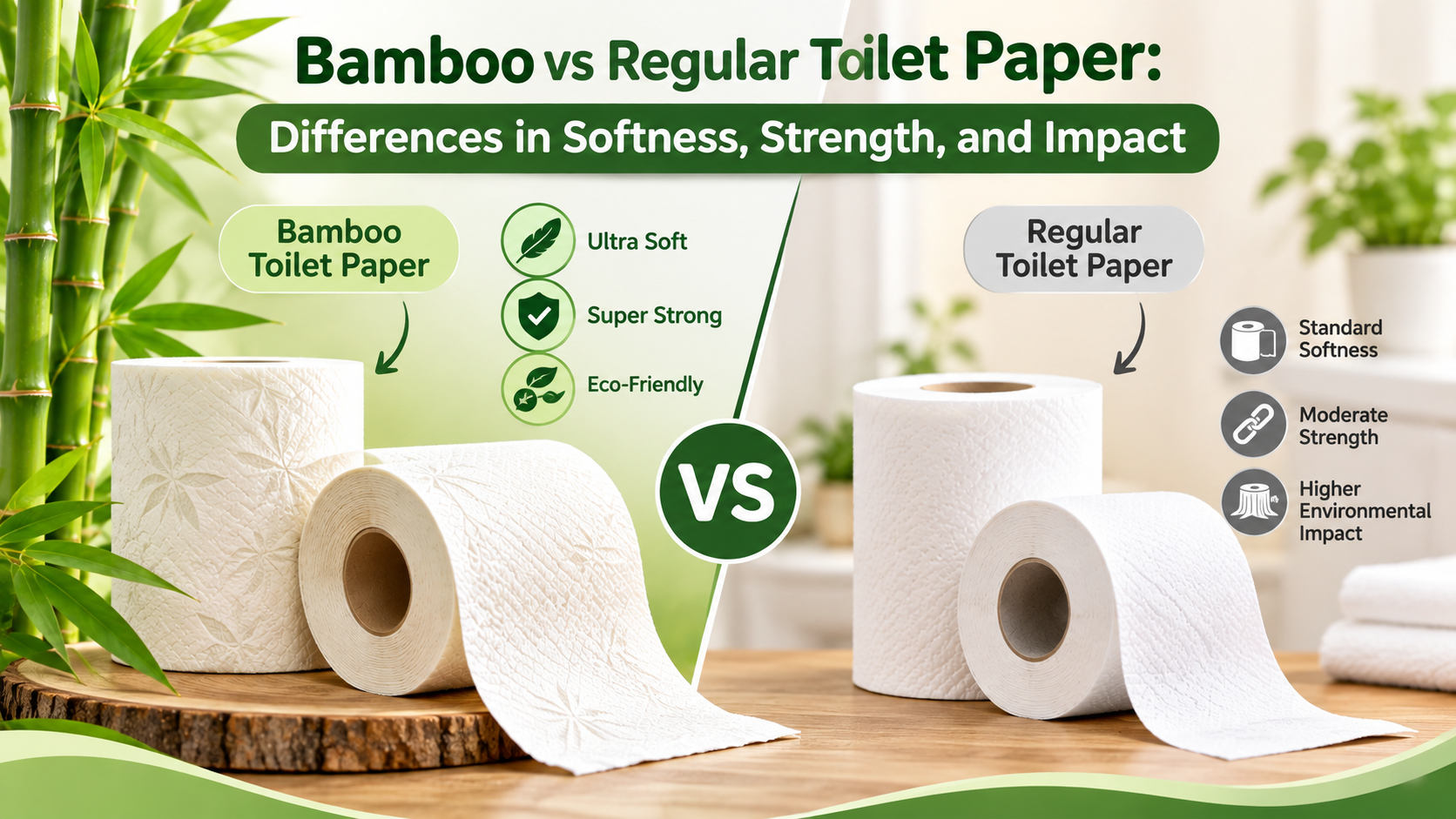
Softness |
Usually higher |
Good, but hit or miss |
Is Plastic-Free Toilet Paper Actually a Real Thing?
Yes. Plastic-free toilet paper means rolls wrapped in paper or compostable material instead of plastic film. This matters more than people realize.
Even "eco" brands sometimes hide plastic inside the box. Some wrap each roll in paper. Others ship rolls loose in a cardboard box. If plastic waste bugs you, flip the package over and check before buying. Plastic-free toilet paper keeps getting easier to find, especially online.
The Honest Downsides Nobody Mentions
Alright, truth time. Tree-free toilet paper isn't a perfect clone of your favorite plush brand. Softness swings wildly. Some bamboo rolls feel surprisingly smooth. Others feel like sturdy paper towels. Reviews of popular brands like Caboo mention thinner, smaller sheets than mainstream options. You might use more per trip.
It costs more. Tree-free rolls usually run higher per sheet. You're paying for a renewable material and often smarter packaging. Some folks shrug at the price. Others can't justify it. Both reactions make sense.
Strength holds up well, though. Bamboo fibers are naturally tough. Plenty of users say tree-free rolls don't shred when wet. Got a septic system? Bamboo paper generally breaks down fast and safely.
How to Pick the Right Roll Without Wasting Money
Run through these checks before you buy:
-
Look for FSC certification to confirm responsible land management.
-
Check the packaging for plastic wrap; paper-wrapped wins.
-
Read reviews about softness for that specific brand, not the whole category.
-
Try a small pack first before committing to a bulk order.
-
Know your plumbing. Most bamboo paper is septic-safe, but confirmed on the label.
Make Your Next Bathroom Essential a Greener Choice!
No need to swap everything at once. Grab one pack of tree-free rolls and see how your household reacts. If the softness works for you, you just made a small but real dent in a huge problem.
If you want a brand that pairs FSC-certified bamboo with plastic-free wrapping and a septic-safe design, check out what Lovely Poo Poo offers. Your bathroom routine can go a little easier on the planet, and honestly, that's worth wiping for.
FAQs
Is tree-free toilet paper as soft as regular toilet paper?
It depends on the brand. Some bamboo rolls feel quite soft. Others feel more like thin paper towels. Check reviews for the exact brand you're eyeing.
Does tree-free toilet paper clog toilets?
Most bamboo and sugarcane papers are septic-safe and break down quickly. Still, check the label to be sure.
Is bamboo toilet paper more expensive?
Usually, yes. You pay more per sheet than with regular wood-pulp paper. The extra cost covers the renewable material and often better packaging.
What does FSC certified mean on toilet paper?
It means the forest or plantation met strict environmental and social standards. It also verifies the supply chain from forest to shelf.
Can tree-free toilet paper still cause deforestation?
Not directly; bamboo is a grass. But poor land management for any crop has costs. Look for FSC certification to back responsible practices.