Cart
0
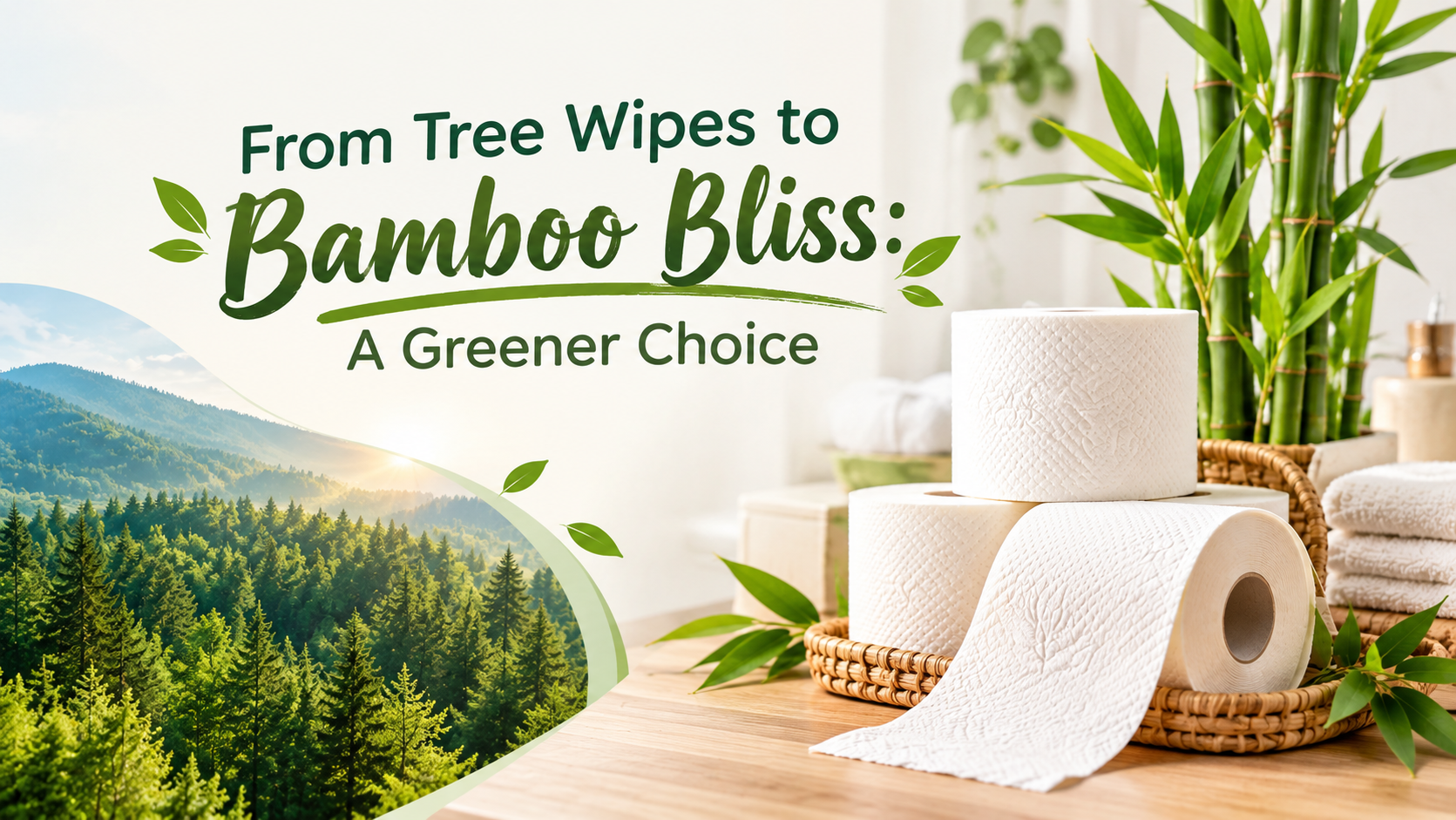
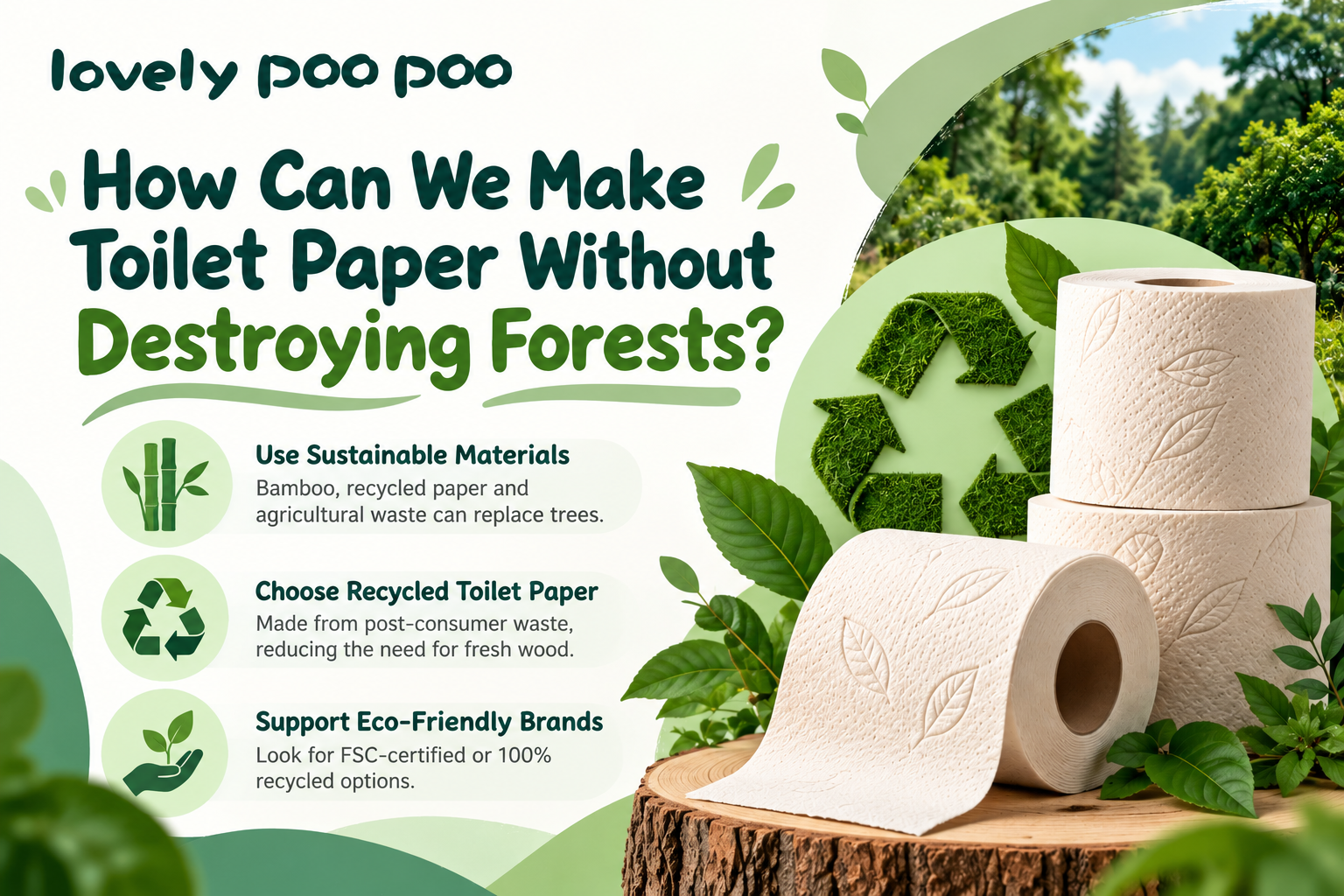
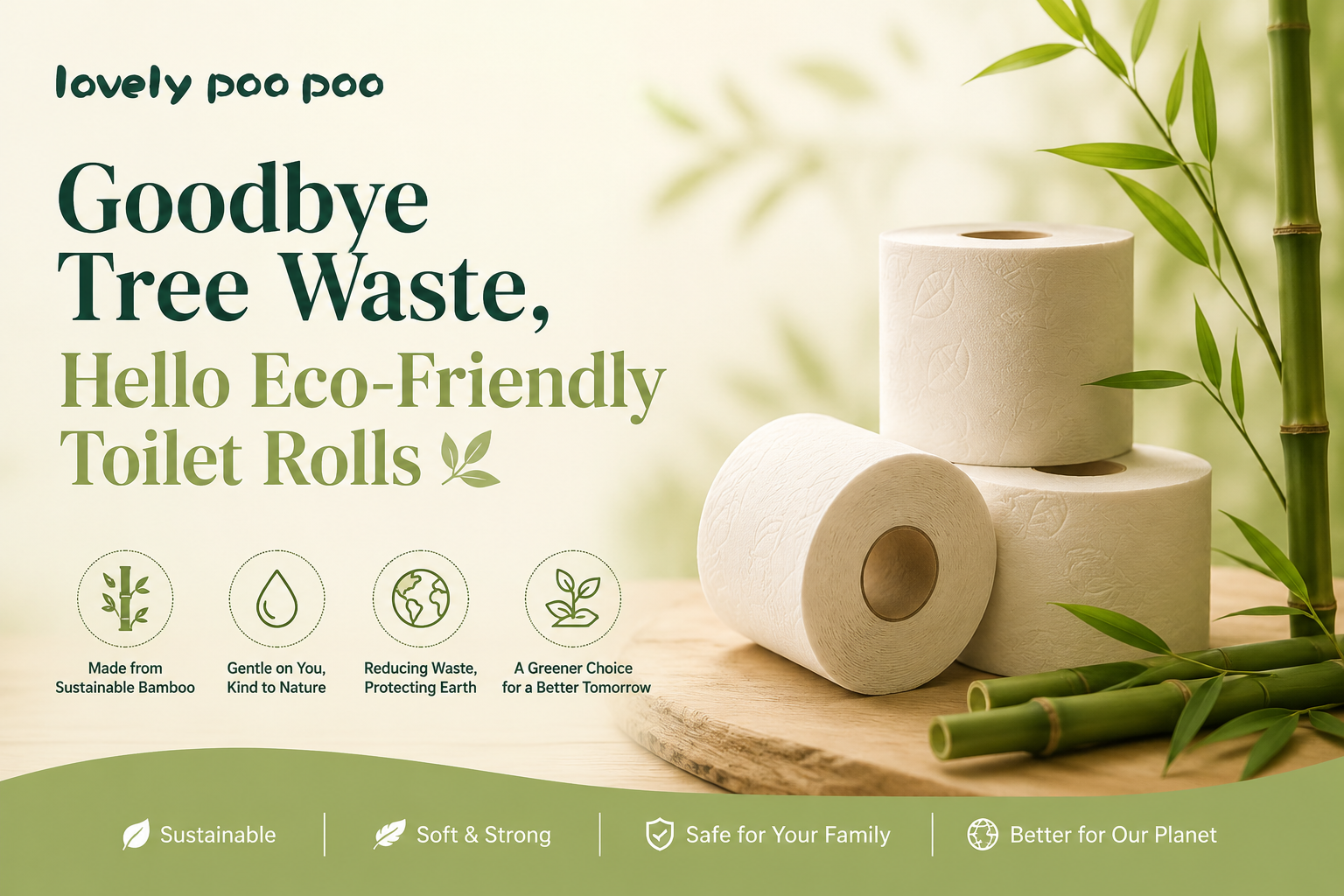
Bamboo toilet roll replaces tree-based paper with a soft, fast-growing grass fiber that skips deforestation entirely. It regrows in just a few years, not decades, and still gives you the comfort, strength, and softness you already expect.
Did you know? According to a report by The Guardian, Americans tend to be more concerned than the rest of the world about ideal toilet paper texture in their homes, largely due to decades of marketing around toilet paper softness.
A bamboo toilet roll solves that entire problem. It comes from grass, not timber, so nothing gets clear-cut to make it. Tree pulp paper feels normal because we grew up with it. But normal isn't always better. Bamboo bounces back in three to five years. A tree needs decades. That gap is bigger than most people realize, and it's the whole reason this switch matters.
Key Takeaways
-
Bamboo toilet roll is much quicker to regenerate, within years, whereas trees which have been cut down to make paper pulp take at least a decade or longer to recover.
-
Silky-soft bamboo toilet paper is a match for top-tier brands for quality and still delivers comfort.
-
Making eco-friendly choices should be a small beginning since you can easily start with such a minor item as a toilet roll.
-
When you are buying for your sustainability, look out for the genuine certificates instead of relying only on the green sticker.
-
The daily act like using bathroom paper can result in a great alteration in the environment over the years through small actions accumulated.
Why Your Bathroom Needs a Bamboo Roll Upgrade
Regular toilet paper drains forests fast, and most of us never think twice about it. Bamboo grows without replanting, without heavy pesticides, and without draining local water supplies. It shoots up from its own root system, over and over. That's part of why it's one of the fastest-growing plants on the planet.
One roll won't save a rainforest overnight. We won't pretend it will. But small swaps stack up across millions of bathrooms, and every purchase tells brands what shoppers actually want.
Difference Between Bamboo and Tree Paper
|
Feature |
Bamboo Toilet Roll |
Tree-Based Toilet Paper |
|
Regrowth time |
3-5 years |
20-30 years |
|
Water use |
Low |
High |
|
Pesticide use |
Minimal to none |
Common in plantations |
|
Texture |
Soft and strong |
Varies by brand |
|
Biodegradable |
Yes, fully |
Yes, but slower |

What Makes Soft Toilet Paper From Bamboo Stand Out
A lot of people assume "eco-friendly" means scratchy or thin. That reputation stuck around for years. But soft toilet paper made from bamboo fiber genuinely rivals premium tree-based brands. Bamboo's natural fibers run long and smooth, and that structure is what creates the cushiony feel.
It also resists tearing better than a lot of standard rolls we've tried. Fewer sheets wasted per use adds up, and your wallet notices that difference eventually.
Softness Without the Guilt
Here's what bamboo fiber tends to offer over standard pulp:
-
Naturally hypoallergenic texture, gentler on sensitive skin
-
Chlorine-free whitening in most reputable brands
-
Higher absorbency per sheet than average tissue
-
Lower irritation risk for anyone prone to rashes
People with sensitive skin often notice fewer flare-ups after switching. That's not a marketing line. It's just how the fiber behaves.
Making the Eco Switch Simple for Your Home
An eco switch doesn't need to flip your whole life upside down. Start with one product. Toilet paper works well as a first move, mostly because you buy it constantly, so the impact compounds fast.
Most bamboo brands also ship in plastic-free packaging, which means less landfill waste beyond the bathroom itself. You cut your footprint without overhauling your entire routine.
Here's a simple way to start this week:
-
Replace one pack of tree-based paper with a bamboo alternative
-
Check the packaging for plastic-free or compostable labels
-
Compare cost per roll, not just the price on the pack
-
Read reviews on softness and strength before buying in bulk
-
Set a reminder to reorder before you actually run out
Small steps like these build habits that stick. You probably won't even notice the change in your routine.
Sustainable Shopping Starts With Small, Smart Buys
Sustainable shopping isn't about turning every purchase green overnight, and nobody expects that from you. It's about picking better where it actually counts. Toilet paper is a daily buy, which makes it a genuinely high-impact place to start.
Look for certifications while you shop. FSC labels or similar bamboo sourcing marks are worth checking for. They confirm the bamboo came from a responsibly managed farm, not just a vague green claim on a box.
Common Mistakes Shoppers Make When Going Green
-
Don’t grab the first product marketed as eco-friendly. Check what actually makes the roll sustainable.
-
Some rolls contain only a small amount of bamboo mixed with regular wood pulp. Always check the fibre percentage before buying.
-
A bamboo toilet roll wrapped in excessive plastic can undermine its environmental benefits.
-
Look for brands that combine sustainable materials with responsible, minimal packaging..

Make the Switch to Greener Toilet Paper Today!
Switching your toilet paper feels small when you first think about it. But multiply that one swap across your household, your street, your whole city. The impact grows quickly, and every roll matters more than you'd guess.
We've watched plenty of sustainable products struggle to match old-school comfort. Bamboo finally closes that gap. It offers softness, strength, and a lighter footprint, all in one roll.
Visit Lovely Poo Poo to see how one simple bathroom swap turns into a good environmental habit. Your next roll can help protect the forests we all quietly depend on.
FAQs
Is bamboo toilet paper actually better for the environment?
Yes. Bamboo regrows in three to five years without replanting, while trees take twenty to thirty years. That makes bamboo a far faster renewable option for everyday paper products.
Does bamboo toilet paper feel rough compared to regular paper?
Not really. Bamboo fibers are naturally long and smooth, and many shoppers actually find bamboo rolls softer and stronger than standard tree-based toilet paper.
Is bamboo toilet paper septic-safe?
Most bamboo toilet paper breaks down quickly in water, so it's generally safe for septic systems. Still, check the specific brand's packaging to confirm it fits your setup.
Why is bamboo toilet paper more expensive than regular brands?
Bamboo sourcing and processing simply cost more than mass wood pulp production right now. Prices keep dropping though, as more brands scale up sustainable bamboo manufacturing.
Can I recycle bamboo toilet paper packaging?
Often, yes. Many bamboo brands use compostable or recyclable packaging instead of plastic. Check the label for exact disposal instructions so you handle it the right way.