Cart
0
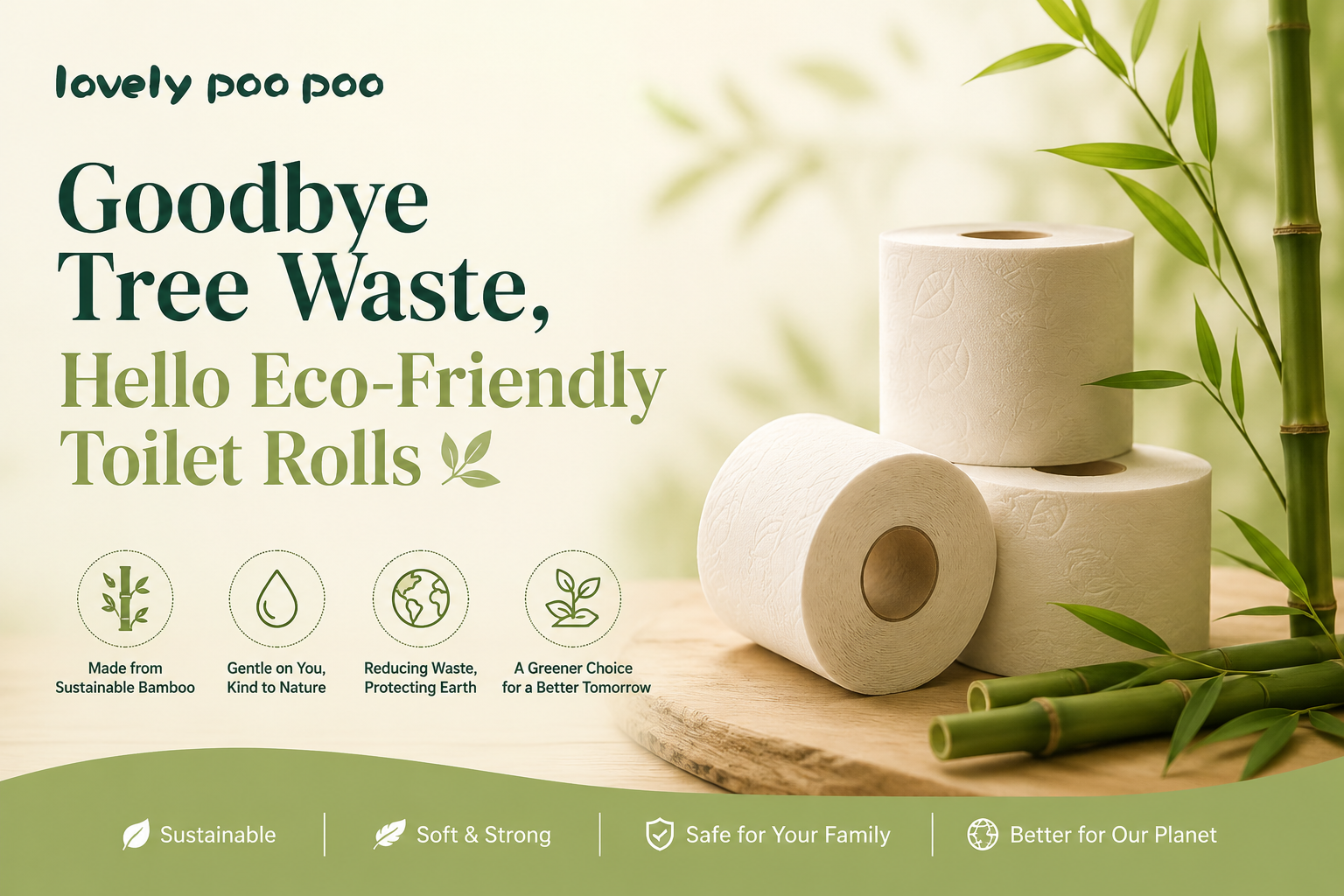
Eco-friendly toilet rolls swap tree pulp for bamboo, recycled paper, or bagasse. They reduce deforestation without cutting comfort.
Did you know? According to Unearth Magazine, roughly 27,000 trees get cut down every day just to make toilet paper.
The Natural Resources Defense Council backs this up in its "Issue With Tissue" report. It tracks how US toilet paper habits strip Canada's boreal forest, one roll at a time. Switching to eco-friendly toilet rolls is one small habit that adds up fast across millions of homes. We'll also look at how brands like Lovely Poo Poo approach sustainable rolls.
This blog breaks down what actually makes toilet paper green. You'll learn what to check on labels before you buy. You'll also see how pack size affects both your wallet and the planet.
Key Takeaways
-
Environment-friendly toilet paper consists of sustainable materials such as bamboo, waste paper, or plant fibers, which means that cutting down any trees for creating new paper pulp is not necessary.
-
Tissue production really contributes to deforestation, and it is reported that almost 27000 trees are being cut down each day for this purpose.
-
Besides being an FSC-certified product and not containing any plastic wrap, there are so many other reasons why we love these rolls that they are, in fact, a natural, environmentally friendly product.
-
The larger the box, the cheaper the unit price of rolls of the paper will be, and at the same time, the packaging will use less space, so that will reduce environmental waste in the future.
-
A big advantage of buying large quantities of green toilet roll packs, aside from saving money, is reducing the number of trips as well as space-saving problems.
Why Green Toilet Rolls Beat The Traditional Kind
Traditional toilet paper relies on virgin wood pulp. Manufacturers cut down old-growth trees to make it soft and thick. That process strips forests that take decades, sometimes centuries, to regrow.
Deforestation from tissue production drives habitat loss and rising carbon emissions. Trees absorb carbon dioxide while they stand. Cutting them down releases that stored carbon straight back into the air. The tissue industry also ranks among the fastest-growing sectors of US paper production. That growth raises the pressure on forests every year.
Green alternatives use fast-growing materials instead of century-old trees. Bamboo regrows in months, not decades, and needs no replanting. Recycled fiber skips the tree-cutting step entirely by reusing office and print waste. Sugarcane bagasse turns leftover farm fiber into soft, usable tissue.
Materials That Make A Toilet Roll Truly Sustainable
Look for these materials when you shop for greener paper:
-
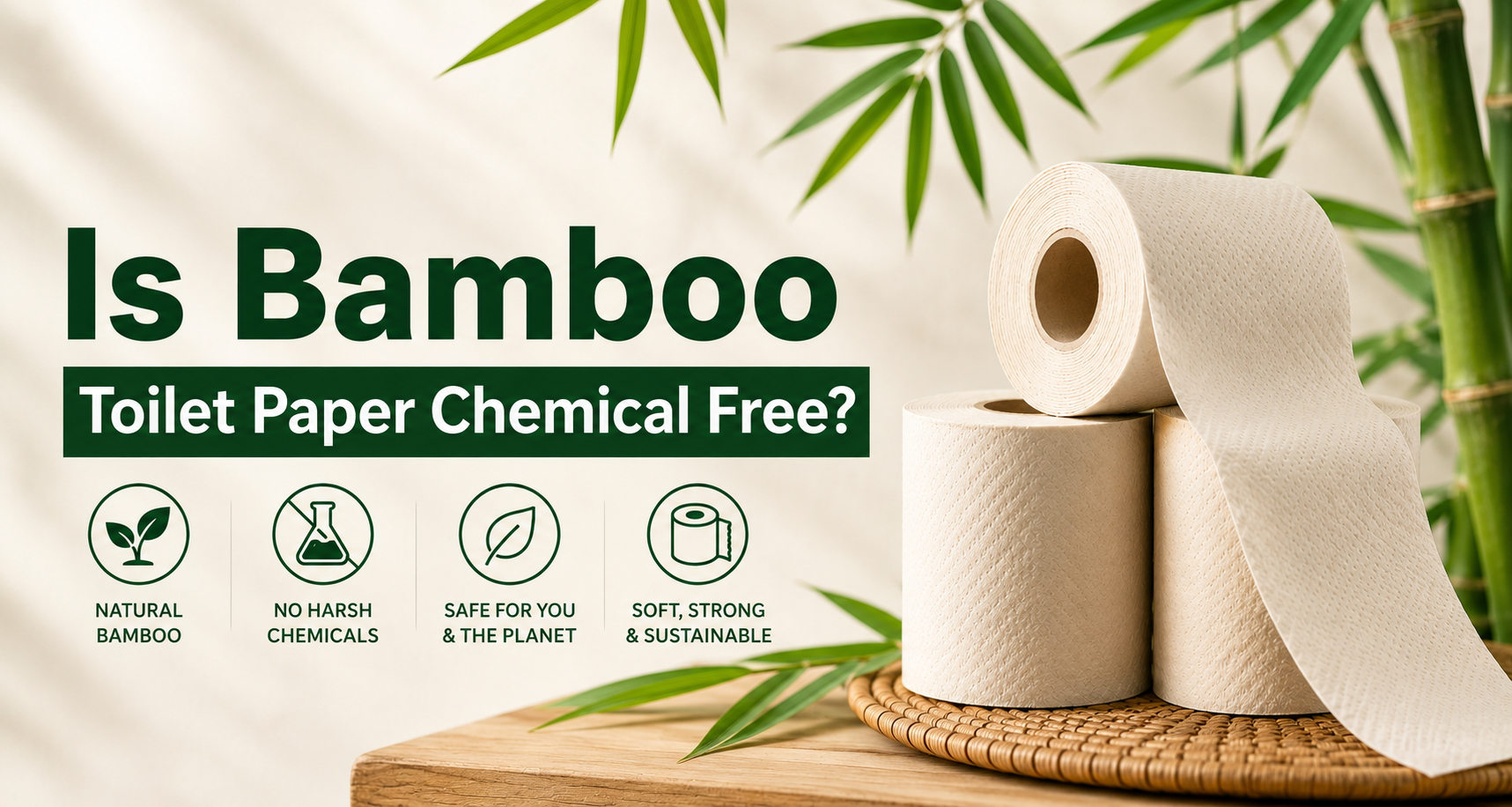
Bamboo: Grows fast, needs no pesticides, and regenerates without replanting
-
Recycled paper: Reuses office and print waste instead of fresh pulp
-
Sugarcane bagasse: Turns sugar industry leftovers into soft tissue
-
FSC-certified fiber: Confirms the source forest follows responsible practices
How To Find The Best Eco-Friendly Toilet Roll
Not every "green" label means the same thing. Some brands greenwash their packaging with leafy artwork and vague claims. A genuinely best eco-friendly toilet roll carries proof, not just pretty branding.
Check for these signs before you add a pack to your cart:
-
FSC certification printed on the packaging
-
Plastic-free wrap, not just a recyclable one
-
No added dyes or fragrance, which keeps skin and water supplies cleaner
-
Septic-safe breakdown, so sheets dissolve fast in pipes and tanks
Softness matters too, and it varies by material. Bamboo fiber tends to feel gentler than most recycled paper. Recycled paper, in turn, often costs less per roll. Try a small pack before you commit to buying in bulk.
Best Pack Size for Eco-Friendly Toilet Paper
Pack size for eco-friendly toilet paper affects your cost per roll and how often you shop. Bigger packs usually cost less per roll over time. But they also take up more closet or bathroom storage space.
|
Pack Size |
Roll Count |
Best For |
|
Small |
4–12 rolls |
First-time buyers testing a new brand |
|
Medium |
24 rolls |
Small households, monthly restocking |
|
Large |
48+ rolls |
Bulk buyers, big families, subscriptions |
Larger packs also cut packaging waste per roll used. Fewer deliveries mean a smaller shipping footprint too, since trucks make fewer trips per household.
Why Bulk Buy Eco-FriendlyToilet Roll Options Make Sense

Buying in bulk saves money over time. It also saves repeat trips to the store or extra clicks online. Most brands drop the price per roll as pack size grows larger.
Choosing to bulk buy eco-friendly toilet roll packs makes sense for busy households. Here's what you gain:
-
Lower cost per roll compared to small starter packs
-
Fewer shipping trips, which cuts fuel use and emissions
-
Less packaging waste generated per sheet used
-
Steady supply, so your household never runs out mid-month
A stocked closet beats a last-minute grocery run every single time.
Common Mistakes Shoppers Make
-
Assuming recycled paper is the most sustainable choice without looking at the whole picture of the manufacturing process.
-
Overlooking water usage as recycled paper can still be very water-intensive, in particular when processed.
-
Opting for bamboo is done without looking at the distance it has been brought to market or the CO2 it would take to ship it.
-
If the focus is solely on claims like "green" or "eco-friendly" and that one doesn't actually refer to third-party certifications which are able to support and guarantee these.
-
Reading only the front side of the package while one is supposed to check the whole product label.
Make Your Daily Routine More Planet-Friendly!
Small swaps add up fast across millions of households nationwide. Choosing softer, greener paper costs you almost nothing extra at checkout.
Brands like Lovely Poo Poo manufacture eco-friendly toilet rolls from bamboo instead of virgin trees, and our packaging skips plastic too. Visit our website to compare pack options and roll counts that fit your household size.
Pick a pack size that matches your home. Then commit to it for good. That single choice is how small habits turn into real impact.
Frequently Asked Questions:
What are eco-friendly toilet rolls made of?
Most use bamboo, recycled paper, or sugarcane bagasse. These materials skip virgin tree pulp entirely and regrow much faster than forest trees.
Is bamboo toilet paper better than recycled toilet paper?
Bamboo regrows faster and needs no pesticides during growth. Recycled paper reuses existing waste but uses more water during processing.
How many trees does regular toilet paper waste each year?
Estimates suggest millions of trees get cut yearly worldwide for tissue products. Daily estimates hover near 27,000 trees, based on National Geographic-sourced data.
Is eco-friendly toilet paper septic safe?
Most bamboo and recycled rolls break down fast once wet. Check the label for a specific septic-safe claim before you buy a large pack.
Does eco-friendly toilet paper cost more than regular brands?
Prices sit close to premium traditional brands most of the time. Bulk packs bring the per-roll cost down even further.