Cart
0
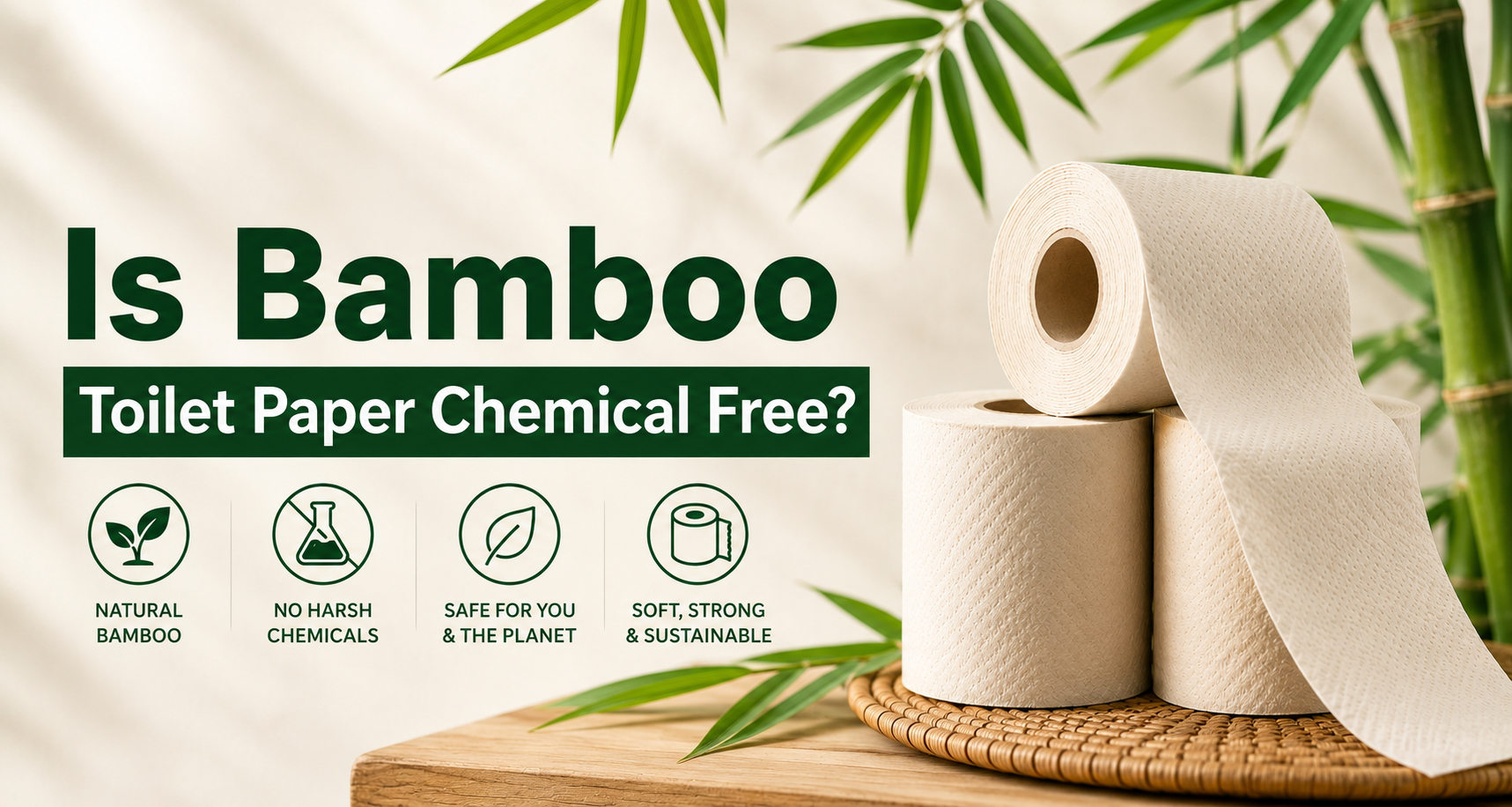
Not all toilet paper is safe. The best chemical-free toilet paper skips chlorine bleach, synthetic fragrance, and PFAS coatings, relying on unbleached or bamboo pulp so it protects sensitive skin and limits needless chemical exposure with every use.
Did you know? According to a report published in the ACS Publication, the 6:2 fluorotelomer phosphate diester (6:2 diPAP) was the most prevalent PFAS detected, and toilet paper usage was estimated to contribute from 6.4 to 80 μg/person-year of 6:2 diPAP to wastewater–water systems.
That should make you pause before your next grocery run. Most rolls on store shelves still go through heavy chlorine bleaching, and plenty carry synthetic fragrance on top of that. Want the best chemical-free toilet paper? Start by knowing what's actually hiding in the fibers.
Your skin absorbs whatever it touches, and that's especially true in sensitive areas. Switching to a cleaner roll is a small change, but it pays off.
Key Takeaways
-
Chlorine bleaching and PFAS coatings hide in plenty of popular toilet paper brands.
-
Bamboo pulp skips pesticides but still needs an unbleached label to count as safe.
-
Recycled paper can carry contamination from its original packaging source.
-
Certifications like FSC and Oeko-Tex offer actual proof, not just marketing claims.
-
A quick label check protects sensitive skin from daily chemical exposure.
What Toilet Paper Is Chemical Free?
So, what toilet paper is chemical free, exactly? Simply put, it's paper made without chlorine bleach, synthetic dyes, added fragrance, or PFAS coatings.
Most conventional toilet paper gets whitened with chlorine or chlorine dioxide. That process can leave trace dioxins behind, a group of genuinely toxic byproducts. Plenty of brands also toss in lotions or scents to seem "softer," and that's often what triggers irritation on sensitive skin.
Here's what a truly clean roll looks like:
-
No chlorine bleaching: Look for "elemental chlorine free" or unbleached on the label.
-
No added fragrance: Since scent almost always means synthetic chemicals.
-
No PFAS coating: These forever chemicals simply don't break down in nature.
-
No dyes: Plain white or natural brown pulp is all you need.
Common Toilet Paper Chemicals to Avoid
Manufacturers rarely print full ingredient lists on the pack, which doesn't help. Still, a handful of substances keep turning up in independent lab tests. Formaldehyde, BPA, and dioxins are the usual offenders in mainstream brands.
Is Bamboo Toilet Paper Chemical Free?

Many people ask: Is bamboo toilet paper chemical-free? Often, yes, though not automatically.
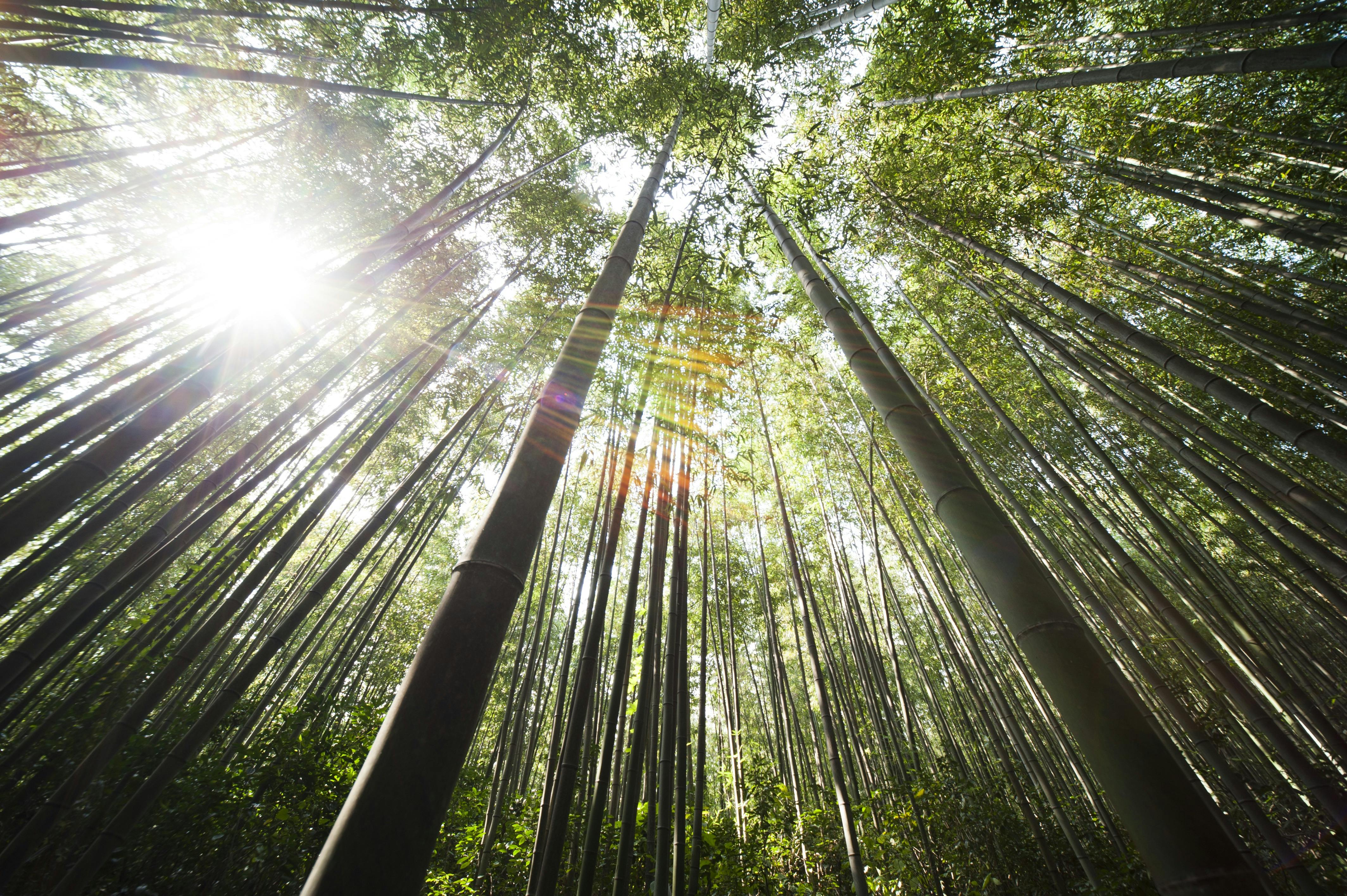
Bamboo grows fast without pesticides, so it starts as a naturally cleaner raw material. That said, some bamboo rolls still get bleached or scented during processing anyway. Always check the label for "unbleached" or "chlorine-free" before you buy.
Bamboo vs Recycled Pulp: Which Wins?
Recycled paper sounds like the greener choice, but it can carry contamination from wherever it came from, including PFAS from old food packaging. Bamboo starts as virgin fiber, so it sidesteps that risk from the start. That's what makes it such a solid pick if you're chasing organic, chemical-free toilet paper.
How to Pick a Safer, Cleaner Toilet Paper Roll
Choosing well isn't complicated once you know what to check. Focus on the source material, the bleaching method, and whether anything's been added for scent.
|
Feature |
Conventional TP |
Cleaner Alternative |
|
Bleaching |
Chlorine-based |
Chlorine-free or unbleached |
|
Fragrance |
Often added |
None |
|
Raw material |
Virgin wood pulp |
Bamboo or recycled with PFAS testing |
|
Skin feel |
Can irritate sensitive skin |
Gentler, less reactive |
|
Environmental cost |
High deforestation impact |
Lower, renewable source |
Ingredients That Signal a Safer Product
Look for short, honest ingredient lists, nothing you can't pronounce. A safe roll usually names its pulp source right on the pack and states plainly that it's dye-free and fragrance-free.
Organic Chemical Free Toilet Paper: What to Look For

Organic chemical-free toilet paper carries certifications that actually back up its claims, not just words on a wrapper.
-
Check for FSC certification, which confirms responsible forestry practices.
-
Look for third-party PFAS testing results, not just a brand's own promises.
-
Choose rolls labeled unbleached or totally chlorine free (TCF).
-
Skip anything with a strong synthetic scent, even one marketed as "natural."
Signs of Genuine Organic Certification
-
Genuine organic products should have certification from a reputable body, like USDA Organic or OEKO-TEX
-
If a company says they offer organic products but you do not find any details about the certification, be sure to question if their claim is reliable.
-
You might think that a product with "natural" on the label is automatically free of any ingredients that you'd rather avoid. Though, that might not be the case.
-
The labels of a product may indicate a certain aspect like "fragrance-free" or "chlorine-free" which could actually tell you a lot more than a mere general "green" marketing phrase.
-
The words "green, " "clean, " or "natural" are nice and they sound safe, but really they can't be used as reliable evidence to determine the safety or efficacy of the product itself.
Start Your Cleaner Toilet Paper Routine Today!
Your bathroom habits shouldn't come with hidden risks tucked inside them. Small swaps like opting for the best chemical-free toilet paper do add up across a year of daily use, and toilet paper is a good place to start, since it touches your body every single day.
Making the switch is easier than it sounds, honestly. Read labels, skip fragrance, and reach for unbleached or bamboo options
l when you can. Visit Lovely Poo Poo for deeper reviews and side-by-side comparisons.
FAQs
1. Does chemical-free toilet paper cost more?
Chemical-free toilet paper may be priced higher than the typical paper products in the market by a small margin. This price difference is decreasing since more retailers are selling cleaner products, and buying in bulk further reduces the price gap.
2. Is unscented toilet paper the same as chemical-free?
Not necessarily. The only thing "unscented" means is that fragrance has not been added. The paper might still be bleached with chlorine or coated with other chemicals. It is not advisable to think a product is fully clean just by looking at the label. Check both sides of the information carefully.
3. Can chemicals in toilet paper be a source of health concerns?
Science has shown that long-term exposure to PFAS is a significant cause of certain cancers and a disturbance of hormones. Mostly, the risk may be lower with occasional use, but frequent exposure over a long period of time will probably accumulate across the years.
4. Is bamboo toilet paper better for the environment than regular paper?
Generally, yes. Bamboo regrows quickly within a few years, whereas it takes tens of years of growth time before trees are ready for felling. Another thing is that it calls for far fewer pesticides, which makes bamboo the more eco-friendly and less damaging renewable option.
5. How can I tell if a toilet paper brand is truly PFAS-free?
Check whether third-party lab tests have been shared by the brand on their website. Just having the certifications is not enough proof, so those companies that are ready to share their actual test results should be trusted much more than others.