Cart
0
Rough, thin, or low-quality toilet paper is often the actual reason wiping feels messy. Switch your roll, and the problem usually goes away. Messy wipes feel embarrassing, and most people quietly assume something's wrong with their body. Honestly, that's rarely the case. Your toilet paper poop struggles usually trace back to the paper itself, not your digestion. Thin sheets tear apart mid-wipe. Rough sheets drag and smear instead of actually cleaning.
Did you know? According to the Natural Resources Defense Council (NRDC), Americans go through about three rolls of toilet paper every week.
That's a lot of paper touching sensitive skin, day after day. When your roll is cheap, coarse, or paper-thin, it simply can't do its job well. The toilet paper poop connection matters more than most people give it credit for, and fixing it often starts with something as small as what you grab off the store shelf.
Key Takeaways
-
Toilet paper texture shapes how clean and comfortable you actually feel right after every single wipe.
-
Poop and toilet paper stop working well together once sheets get too thin, rough, or flimsy.
-
Best bamboo toilet paper picks deliver real softness, better strength, and a noticeably lower environmental footprint overall.
-
Ongoing irritation that won't settle down may need a doctor's opinion, not just a quick paper swap.
-
Choosing the best toilet paper for your needs genuinely improves daily comfort and overall bathroom hygiene fast.
Why Toilet Paper and Poop Don't Always Mix Well
Not all toilet paper behaves the same way once it hits the bathroom. Some rolls lift waste right off. Others just push it around, leaving that annoying "did I even clean up" feeling behind.
Poop and toilet paper interact differently depending on thickness, texture, and ply count. Thin, single-ply sheets often fall apart halfway through a wipe. Rough recycled paper, meanwhile, can scratch and drag against delicate skin. Over time, that friction adds up to irritation, redness, and sometimes tiny micro-tears you can't even see happening.
Common Wiping Mistakes That Make Things Worse
A few small habits tend to make a bad-paper problem even worse. Watch out for these:
-
Wiping too hard, usually to compensate for weak or thin paper
-
Using too little paper at once, which spreads residue instead of removing it
-
Skipping a second wipe the moment the first pass doesn't feel clean
-
Ignoring texture altogether, especially if you deal with sensitive skin or hemorrhoids
How Toilet Paper Type Affects Your Wipe

Different toilet paper types clean in noticeably different ways. Here's a quick side-by-side comparison to help you choose smarter next time you shop.
|
Toilet Paper Type |
Cleaning Power |
Skin Feel |
Eco-Friendliness |
|
Single-Ply Standard |
Low |
Rough |
Moderate |
|
Two-Ply Ultra Soft |
Medium-High |
Soft |
Low |
|
Recycled Paper |
Medium |
Coarse |
High |
|
Best Bamboo Toilet Paper |
High |
Soft and durable |
Very High |
Bamboo tends to stand out here, and for good reason. It manages to combine actual strength with genuine softness, something most standard rolls just can't pull off together.
What Makes the Best Bamboo Toilet Paper Worth Trying
Bamboo grows fast, needs far fewer resources than trees, and turns into a noticeably stronger, more absorbent sheet.
The best bamboo toilet paper picks tend to share a few traits:
-
Higher wet strength, so sheets hold together instead of shredding mid-wipe
-
Softer texture overall, which cuts down on friction and irritation
-
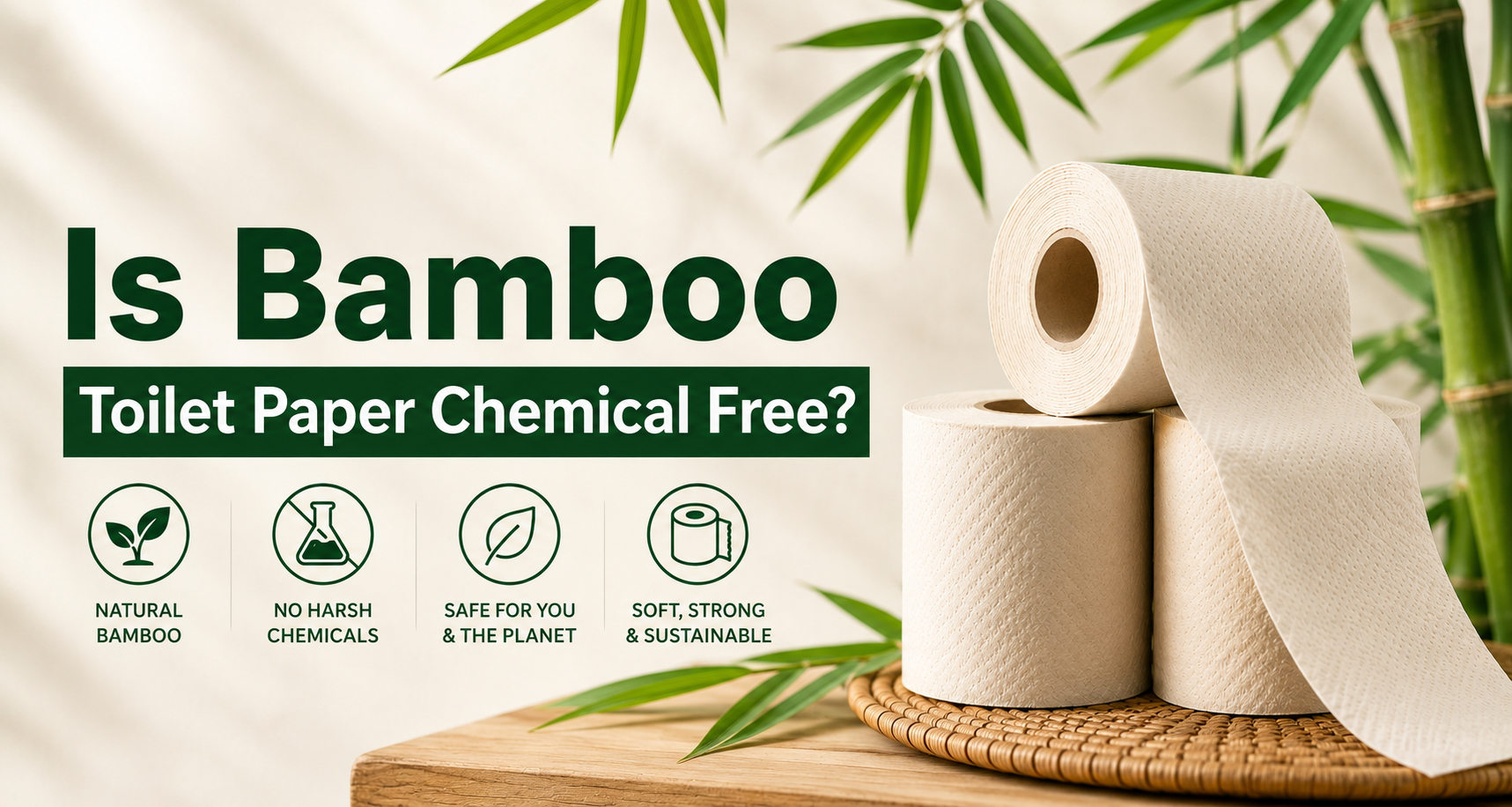
Fewer chemicals and dyes compared to heavily bleached standard rolls
-
Lower environmental footprint, since bamboo regrows quickly after harvest
NRDC's Issue with Tissue research points out that standard tissue production clears more than a million acres of Canadian boreal forest every single year. Bamboo offers a genuinely practical alternative to that damage.
Skin Sensitivity and Bamboo Paper
People dealing with hemorrhoids, eczema, or general sensitivity usually notice the difference almost right away. Softer fibers mean fewer micro-abrasions with every single wipe.
Your skin deserves better than sandpaper-grade paper, full stop. Small upgrades here translate into real, everyday comfort.
Finding the Best Toilet Paper for Your Bathroom
Choosing the best toilet paper isn't just about how soft it feels in the store aisle. It's about function, safety, and actual value combined.
Features That Actually Matter
Look past the marketing claims and focus on these basics instead:
-
Ply count: Two-ply or higher tends to perform better for most people
-
Wet strength: Paper that holds its shape during wiping, not falling apart
-
Ingredient list: Fewer dyes and fragrances mean less irritation risk overall
-
Texture: Soft, yes, but not overly processed or chemically stripped
When to See a Doctor
Persistent irritation, bleeding, or discomfort that won't quit deserves a medical opinion. Paper alone can't explain every symptom you're dealing with. A doctor can rule out hemorrhoids, fissures, or skin conditions that need treatment well beyond a simple toilet paper swap.
Choose Comfort for Your Everyday Routine!

Stop blaming your body for what's really a paper problem. A better roll can quietly turn an everyday habit into something comfortable and stress-free. Small swaps create real relief, and fast. For more helpful, judgment-free guidance on bathroom health and habits, Lovely Poo Poo breaks it all down in plain, honest language. Take a look at their resources, pick a gentler roll, and give your daily routine the upgrade it's honestly been waiting for.
Frequently Asked Qestions:
1. Can toilet paper really cause messy wipes?
Sometimes. Weak or coarse toilet paper sheets may not lift poop properly and instead just spread the waste around, which is why it is a mess.
2. Is bamboo the right alternative paper for toilet paper?
Bamboo toilet paper is, in many ways, a better option as it is less likely to create a mess since it tends to be softer and less abrasive, even when it is wet, thereby causing much less irritation to one's skin during wiping.
3. Why does my skin get irritated after using a tissue?
You get that rash because very rough or dry toilet paper causes mechanical rubbing on the very sensitive parts of the skin, and that rubbing leads to inflammation, itching, irritation of the skin surface, etc., when it is exposed to these conditions a number of times.
4. How many times do I generally wipe using toilet paper after a bowel movement?
Generally, the number of wipes needed by the average person is 2 to 4, provided that the paper used has the required softness and also is sturdy enough to allow for efficient cleaning in just one or two strokes.
5. Which toilet paper is best for sensitive skin?
Soft, multi-ply, environmentally friendly low-chemical alternatives like bamboo paper are most suitable for those who have hemorrhoids, eczema, or skin sensitivity in general.